
Lithium Ion Batteries
Lithium-ion batteries supply power to many kinds of devices, including smart phones, laptops, scooters, e-cigarettes, smoke alarms, and toys. Handle these batteries carefully. In rare instances, they can cause a fire or explosion.
On this page:
Lithium-ion Battery Use and Storage
Handle lithium-ion batteries carefully. Do not throw, modify or tamper with them. Check for signs of damage, and don't use batteries that:
- are swollen or dented
- have torn, plastic wrappers
- show other signs of damage or wear
Keep your batteries in a safe place, out of sight and reach from children. If you carry batteries with you, keep them in a protective, non-metal case.
Keep batteries stored in a dry location at room temperature. Do not:
- leave batteries out in the sun or in a hot or cold car
- let moisture form on either end of the battery's terminals
Charging
- Do not charge your battery for longer than the recommended charging time. Overcharging can cause your battery to overheat, which can lead to fires or explosions.
- Charge your device at room temperature where you can see it. Soft surfaces, like a couch or bed, can trap heat around the battery and cause the device to overheat.
- Charge your battery before it drops below 30% to help it last longer and work safely. Do not keep it plugged in and charged at 100% for long periods.
- Unlike older types of batteries, you do not need to fully discharge lithium-ion batteries. This may actually harm them.
- Charge your product away from exit doors in case of fire.
Original and replacement chargers
- Use the charger that came with your device. If you need to replace your charger, buy it from a trusted source and make sure the voltage and current are compatible with your device.
- Contact the original product manufacturer if you need a replacement charger for higher voltage items like e-bikes, remote control cars and power tools.
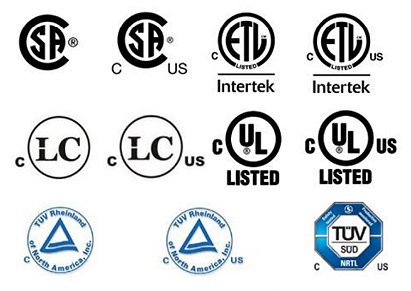
Only use chargers that have one of the recognized Canadian certification marks, such as:
- CSA
- cUL
- cETL
Safe Disposal
After safely collecting and protecting your used household batteries, drop them off at a local battery recycling location.
Visit the Recycle Batteries Canada webpage to find a location near you.
Page last updated on April 15, 2025
Sign up for County of Brant News
Stay up to date on County of Brant activities, events, programs, and operations by subscribing to our news updates.